
Findings underscore critical role of product development partnerships in delivering both innovation and access
GENEVA (April 24, 2026)—A new peer-reviewed study led by the Geneva Graduate Institute finds that TB Alliance’s approach to expanding access to new treatments for drug-resistant tuberculosis (DR-TB) has been highly effective, demonstrating how coordinated, nonprofit-led efforts can rapidly translate scientific innovation into real-world impact on people affected by TB.
Published in BMJ Global Health, the study examines how access to pretomanid and the BPaL/M regimens, developed by TB Alliance, expanded at an unprecedented speed. These newer regimens shorten DR-TB treatment, reduce the burden on people and health systems, and improve treatment outcomes. By 2024, more than 100 countries had ordered pretomanid in volumes sufficient to meet approximately 63% of global demand—just two years after the World Health Organization recommended the BPaL/M regimens for the treatment of most forms of DR-TB. This represented a significantly faster pace than had typically been seen in global health, where access to new innovations historically took 7-9 years to scale broadly.
Since the period covered in the study, procurement volumes have continued to grow, reaching approximately 80% of global demand in 2025.
“This study reinforces that developing new treatments is only part of the equation,” said Sandeep Juneja, Senior Vice President of Market Access at TB Alliance. “Ensuring that treatments reach people requires sustained, deliberate effort – from generating local evidence to supporting policy adoption and implementation. These findings highlight that investing across both R&D and access is crucial to delivering meaningful public health impact.”
The study identifies TB Alliance as a central orchestrator in accelerating access, coordinating a wide range of interventions across regulatory, market, and country implementation domains. These included supporting regulatory and normative processes, shaping markets to ensure affordability and availability, and enabling countries to adopt and scale new regimens through knowledge generation, stakeholder engagement, and technical assistance.
Lead author, Professor Suerie Moon, Co-Director of the Global Health Centre at the Geneva Graduate Institute, emphasized the broader implications of the findings, noting, “This study shows that nonprofit drug developers can deliver rapid patient access, but it’s far from simple. It requires orchestrating a complex set of interventions and actors across multiple levels over many years, starting already in the R&D phase. Nonprofit product developers, like TB Alliance, are well positioned to do so because of their knowledge, relationships, and public interest missions, but they need clear mandates and sustained support to do so effectively.”
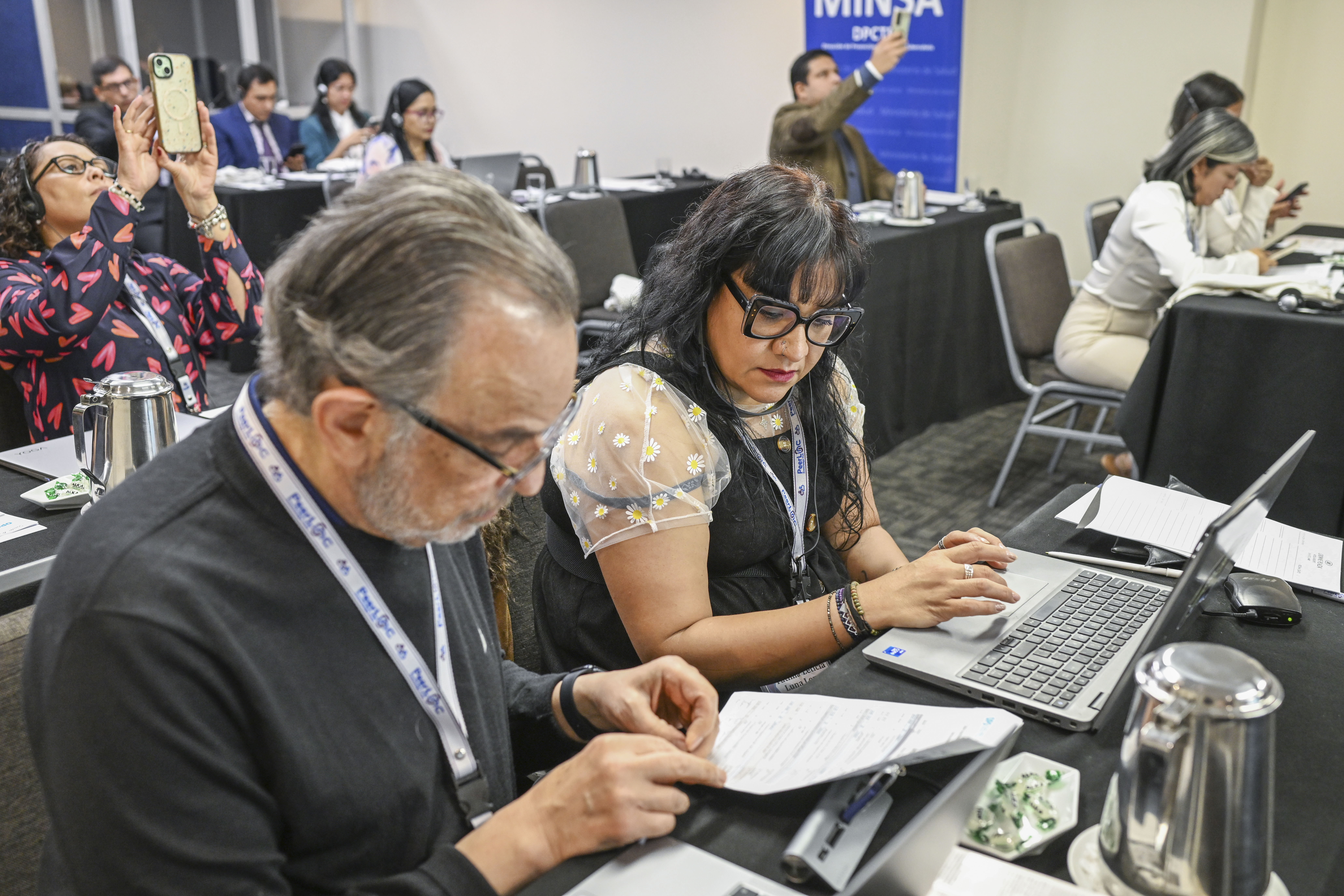
Building on these findings, the study highlights not only TB Alliance’s organizational strengths but also the importance of targeted access initiatives that together helped create a complex, coordinated access ecosystem around new DR-TB treatments. Efforts such as the LIFT-TB, PeerLINC, and Fast Track the Cure exemplify how targeted interventions—spanning evidence generation, country implementation support, and community engagement—worked in concert to accelerate uptake. Notably, LIFT-TB itself was recently the subject of an independent evaluation, which similarly found that the initiative played a critical role in driving adoption and scale-up of BPaL/M by enabling local evidence generation, supporting policy change, and enabling information sharing across countries.
Together, these findings reinforce a critical lesson for global health. While product development partnerships (PDPs) have proven their ability to deliver new medical innovations, achieving impact at scale depends equally on sustained investment in access. When resourced and supported appropriately, PDPs can also be highly effective and efficient orchestrators of access.